
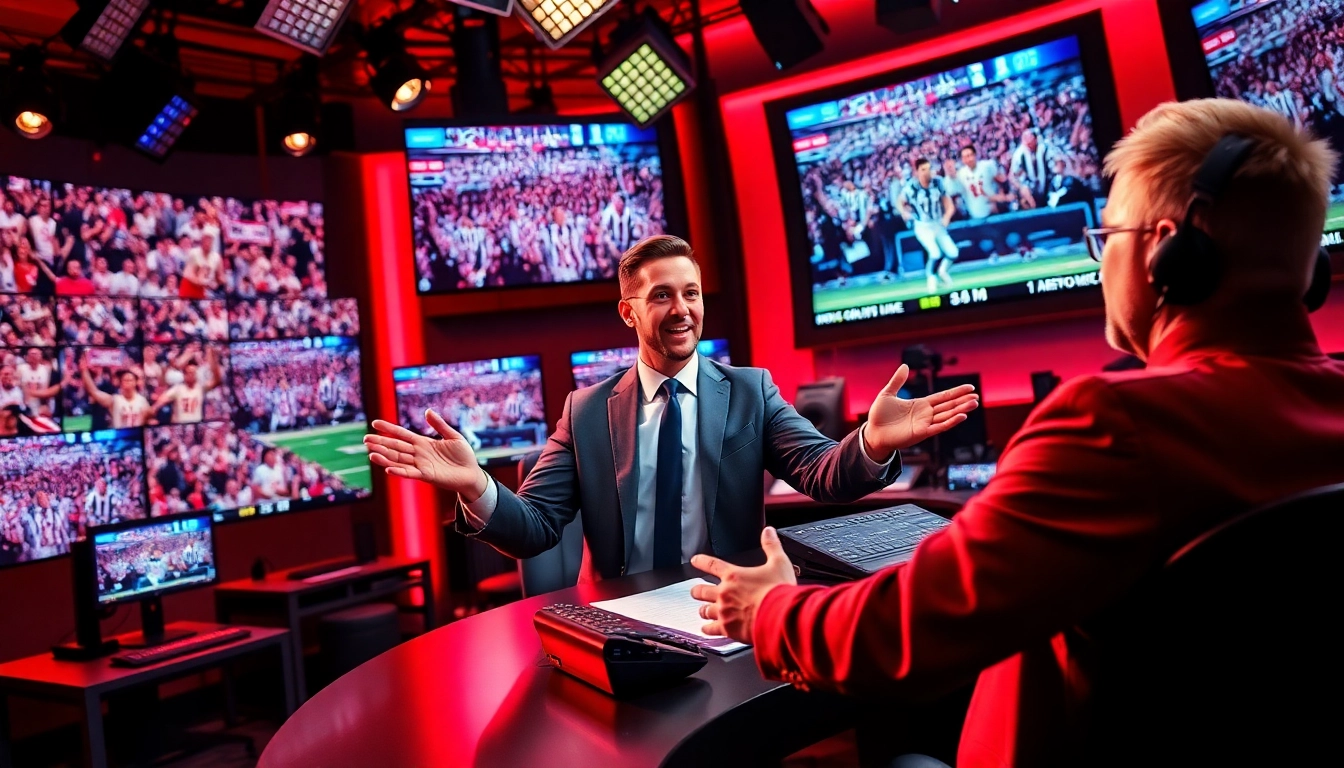
Understanding Sports Broadcasting
Definition and Importance of Sports Broadcasting
Sport Broadcasting refers to the dissemination of live sports events and related programming via various channels such as television, radio, and internet streaming services. This practice serves not only as a means of entertainment but also plays a crucial role in shaping the sporting landscape. It provides fans with access to live events, interviews, and expert analyses, while also bringing significant revenue to leagues, teams, and broadcasters. With the growing popularity of sports worldwide, Sports Broadcasting has evolved into a multi-billion dollar industry, attracting millions of viewers and generating extensive advertising revenue.
Historical Context of Sports Broadcasting
Sports broadcasting began in the early 20th century with radio broadcasts of baseball games. However, it wasn’t until the advent of television in the 1950s that sports broadcasting truly exploded in scope. Iconic moments like the 1958 NFL Championship game transformed how audiences engaged with sports, leading to a surge in televised events. Over the decades, technological advancements, such as satellite broadcasting and digital streaming, have infinitely expanded the reach and accessibility of sports programming. Historical milestones like the first live telecast of the Olympic Games in 1936 and the establishment of dedicated sports networks have set the stage for today’s diverse sports media landscape.
Different Forms of Sports Broadcasting
Sports broadcasting comes in a variety of formats, each catering to different audience preferences:
- Television Broadcasting: This traditional format involves live telecasting of events, supported by commentary and pre- and post-event analysis.
- Radio Broadcasting: Radio remains a popular medium, especially for audiences unable to watch on screens. It provides lively commentary and engagement.
- Online Streaming: With new technologies, audiences can now stream events via platforms and apps, and enjoy a more personalized viewing experience.
- Social Media Streaming: Platforms like Instagram and Facebook have introduced live streaming of sports, allowing for real-time engagement through comments and reactions.
- Podcasting: This format allows fans to delve deeper into sports discussions, featuring expert guests, analysis, and behind-the-scenes insights.
Key Technologies in Sports Broadcasting
The Role of Cameras and Equipment
Modern sports broadcasting relies heavily on advanced cameras and broadcasting equipment to capture and deliver high-quality visuals. From multi-angle shots to slow-motion replays and aerial drones, technology enhances the fan experience. High-definition (HD) and ultra-high-definition (UHD) cameras provide crisp visuals, making viewers feel as if they are part of the action. Additionally, portable equipment allows for on-field coverage and immediate reactions, bringing the stories of players and moments to life.
Broadcasting Software and Tools
Behind the scenes, broadcasting software is critical for managing feeds, graphics, and live editing. Tools such as graphics engines help create vibrant, informative overlays during broadcasts. Additionally, real-time data analytics software allows commentators to access statistics instantly, enriching the viewer's experience. The seamless integration of these tools creates a polished and professional broadcast that engages audiences throughout the event.
Emerging Technologies in Sports Broadcasting
The sports broadcasting industry is continually evolving, with innovations like Virtual Reality (VR) and Augmented Reality (AR) becoming more prevalent. VR offers fans a unique opportunity to experience events from various vantage points, while AR enhances the viewing experience through interactive graphics during a live event. Artificial Intelligence (AI) is also making its mark by analyzing viewer preferences for targeted advertising and creating personalized content.
Best Practices for Effective Sports Broadcasting
Preparing for a Sports Broadcast
Effective sports broadcasting begins long before the cameras start rolling. Preparations include comprehensive research on teams and players, scouting the venue, and establishing communication protocols between producers, commentators, and technical staff. Creating detailed run sheets that outline key elements and timing ensures smooth transitions throughout the broadcast. Regular rehearsals can also help mitigate issues that may arise during live events.
Engaging Your Audience
Engagement is vital for retaining and growing viewership. Broadcasters should strive to create a connection with the audience by integrating interactive elements such as polls, social media shoutouts, and viewer questions during live broadcasts. Personalizing commentary to reflect viewer interests also fosters a more immersive experience. Furthermore, making use of fan reactions from social media can help tailor the presentation to what resonates most.
Maintaining Broadcast Quality
Consistent broadcast quality is paramount in sports broadcasting. Broadcasting teams must prioritize technical reliability, ensuring equipment functions flawlessly, with backup systems in place. Regular equipment maintenance and testing ahead of broadcasts will reduce risks of failure. Training staff continuously on new technologies and practices ensures that they remain competent in delivering high-quality transmissions.
Challenges in Sports Broadcasting
Dealing with Live Event Uncertainties
Live sports events are often unpredictable and can present challenges such as unexpected delays or equipment malfunctions. Broadcasters must develop contingency plans to navigate these uncertainties effectively. Flexibility in programming and having secondary options ready can keep audiences engaged, even in the face of unexpected interruptions. Communication among the team is essential, allowing for agile responses to any situation during the live broadcast.
Legal and Regulatory Challenges
Broadcasting rights and regulations can vary significantly from region to region, impacting how content is shared and viewed. Broadcasters must stay informed on legal obligations and licensing agreements to ensure compliance. Failure to adhere to these regulations can result in hefty fines and loss of rights to air certain events. Collaborating with legal teams to audit contracts and understand regulations is crucial for any broadcasting operation.
Competition and Market Dynamics
As the landscape of sports broadcasting grows, competition also intensifies among broadcasters seeking viewers and sponsorships. Understanding market dynamics, viewer preferences, and demographic shifts is fundamental for staying competitive. Adapting to trends, exploring new platforms, and creating unique content can help broadcasters distinguish themselves in a crowded market.
The Future of Sports Broadcasting
Trends Shaping the Industry
The future of sports broadcasting is characterized by a shift towards digital integration and personalized viewing experiences. Subscription-based models and on-demand content are rising in popularity, offering audiences more control over what they watch. Moreover, the unprecedented increase in eSports is reshaping traditional broadcasting paradigms as it captures a younger demographic eager for innovative content delivery methods.
The Impact of Social Media
Social media platforms have transformed how audiences engage with sports content. They provide spaces for conversation, highlight sharing, and instant feedback. Broadcasters are leveraging these platforms for promotions and real-time engagement, enhancing viewer loyalty and community-building. Content produced natively for social media is also becoming essential in reaching audiences where they spend their time online.
Innovations to Watch For
As technological advancements continue, we can expect to see major developments in the use of AI for analytics, machine learning for personalized content experience, and improved user interfaces for streaming platforms. These innovations will likely enhance how audiences interact with content, while broadcasting institutions must remain agile to incorporate these new tools effectively. Future innovations will continue to redefine viewer engagement and set new standards in how sports are experienced.
Frequently Asked Questions
What is Sports Broadcasting?
Sports Broadcasting is the dissemination of live sports events and related programming through television, radio, and online platforms, allowing audiences to engage with sports content in real-time.
Why is Sports Broadcasting important?
It connects fans with events, generates revenue for teams and leagues, and enhances the global reach of sports, allowing for a wider audience engagement.
What are the main technologies used in Sports Broadcasting?
Key technologies include high-definition cameras, broadcasting software, streaming platforms, and emerging technologies like Virtual and Augmented Reality.
How do broadcasters engage their audience?
Broadcasters engage audiences through interactive elements like polls, social media interactions, and personalized commentary tailored to viewer interests.
What challenges does Sports Broadcasting face?
Challenges include dealing with unexpected live event uncertainties, regulatory compliance, competition, and shifting viewer preferences in a rapidly evolving landscape.