
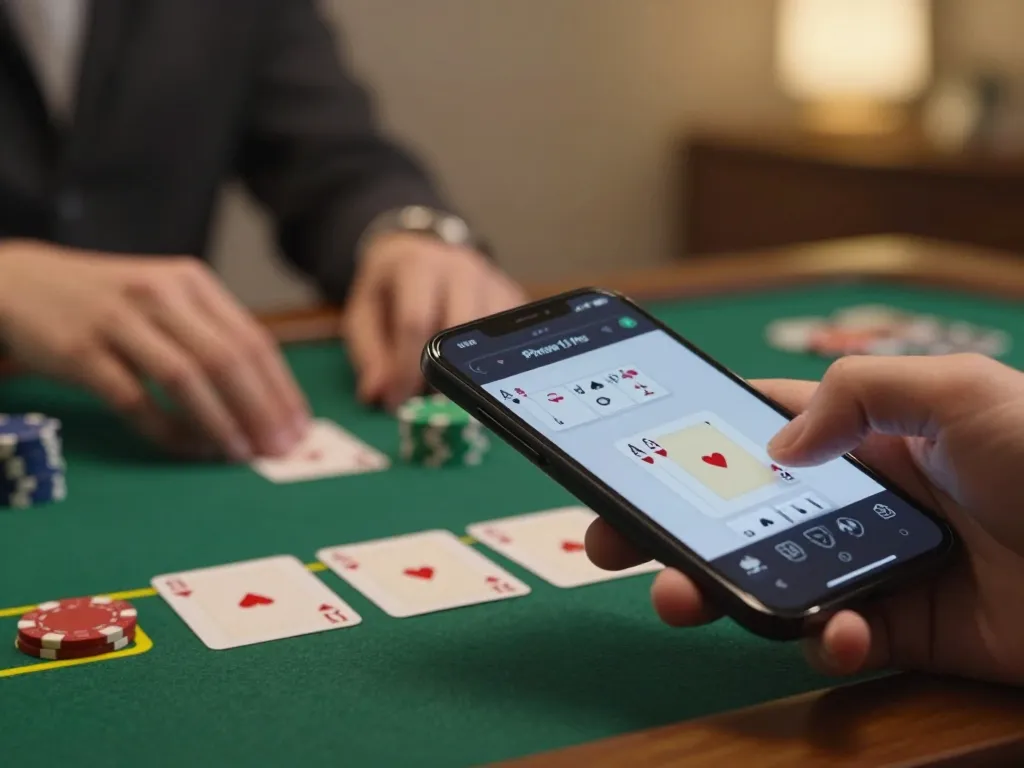
Understanding Blackjack Basics on 98win vin
Blackjack, one of the most popular casino card games, combines strategy, probability, and a dash of luck. When exploring options, 98win vin provides comprehensive insights into mastering this classic game. The aim is simple: to beat the dealer by having a hand value closer to 21 without exceeding it. In this section, we’ll cover the fundamental rules of the game, various table setups, and introduce you to the different variations of Blackjack available online and in land-based casinos.
What is Blackjack? Game Overview and Rules
Blackjack, also known as 21, is a card game played between the player and the dealer. Here’s a quick overview of the rules:
- The game uses one or more decks of standard playing cards.
- Number cards (2-10) are worth their face value; Jacks, Queens, and Kings are worth 10; Aces can be worth either 1 or 11, based on the player's choice.
- Players start by placing a bet, followed by being dealt two cards. The dealer receives one card face up and one card face down.
- Players can choose to ‘hit’ (take another card) or ‘stand’ (keep their current hand).
- The objective is to have a hand value that exceeds the dealer's without going over 21.
- If a player exceeds 21, they ‘bust’ and lose their bet.
How to Play and Bet: Essential Rules for Beginners
Learning to play Blackjack involves understanding several key rules. Here are the essentials:
- Placing Bets: Before the cards are dealt, players need to place their bets. This is crucial, as the amount wagered is key to your overall gambling strategy.
- Dealing Cards: Each player receives two cards, while the dealer has one card face up (the upcard) and one face down (the hole card).
- Player Decisions: After receiving their cards, players can choose to hit or stand, double down, or split pairs if applicable.
- Dealer’s Turn: Once all players finish, the dealer reveals the hole card and must hit until reaching at least 17.
- Winning: Players win by having a hand value closer to 21 than the dealer without busting, or if the dealer busts.
Different Variations of Blackjack Available
Blackjack comes in various formats, each with its own unique rules and strategies. Some popular variations include:
- European Blackjack: This variant is characterized by the dealer only receiving one card initially, with the second card dealt after player actions. It has specific rules like no doubling after splitting.
- American Blackjack: Features the dealer receiving two cards at the start, allowing for more strategic play.
- Live Dealer Blackjack: An online version where players interact with a human dealer via streaming video, enhancing the social aspect of the game.
Mastering Basic Strategy for Blackjack on 98win vin
To improve your chances of winning at Blackjack, understanding basic strategy is essential. This strategy allows you to make optimal decisions based on statistical probabilities.
Key Principles of Blackjack Basic Strategy
Basic strategy is a mathematically calculated set of guidelines dictating the best actions to take based on your hand value and the dealer's upcard. Here are some core principles:
- Always stand: When your hand totals 17 or higher.
- Always hit: When your hand totals 11 or lower.
- Doubling down: Ideal when your hand totals 10 or 11, especially against a dealer’s lower upcard (2-9).
- Splitting pairs: Aces and 8s are worth splitting, while never split 10s or 5s.
Optimal Playing Decisions: Hit, Stand, Double Down
Making the right choices can significantly reduce the house edge. Here’s a closer look at when to hit, stand, or double down:
- Hit: If you're at low totals (12-16) against a dealer's strong card (7-A), hitting gives you a chance for a better hand.
- Stand: Recommended on 17 and above since the risk of busting outweighs the potential for improvement.
- Double Down: When you confidently believe that the next card will improve your position, especially with favorable starting hands against weaker dealer cards.
Common Misconceptions About Blackjack Strategy
Many myths surround Blackjack strategies that can lead players astray. Here are some common misconceptions:
- Myth: 21 is always the best hand: While it's a strong hand, if the dealer also has 21, the game is a push.
- Myth: Card counting guarantees wins: While it can reduce the house edge, it’s not foolproof and requires significant practice.
Advanced Techniques: Card Counting on 98win vin
Card counting is a sophisticated technique employed by some of the most skilled Blackjack players to gain a mathematical advantage over the house.
Understanding the Concept of Card Counting
At its core, card counting involves tracking the proportion of high cards versus low cards left in the deck. A higher number of high cards (10s, face cards, and Aces) is favorable for players, while a higher ratio of low cards benefits the dealer.
Practical Tips for Counting Cards Online
Counting cards online differs from live games, as many online casinos use shuffling machines and continuous shuffling. However, players can still apply techniques such as:
- Assign point values: Use a simple +1 (low cards) and -1 (high cards) system to keep track of the count.
- Adjust betting: When the count is high (indicating more high cards left), increase your bets to maximize potential payouts.
How to Adapt Your Strategy Based on Count
As players become more experienced, adapting gameplay based on their count becomes crucial. Some strategies include:
- Increase bet size: When the count rises, move your betting more aggressively.
- Modify basic strategy: Adjust your stand and hit decisions based on the actual deck composition.
Maximizing Bankroll Management on 98win vin
Effective bankroll management is vital in pursuing a sustainable and enjoyable gambling experience. Here are strategies to help you manage your funds wisely.
Setting Budget Limits for Blackjack Sessions
Before you start playing, set specific financial limits for each session. This should include a clear maximum loss limit; once you hit that limit, walk away. This process is critical to ensure you don’t chase losses and end up betting more than you can afford.
Effective Bet Sizing for Optimal Risk Management
Determining how much to bet in relation to your bankroll is a crucial aspect of gambling responsibly. A common strategy is to never bet more than 1-5% of your total bankroll on a single hand. This way, you mitigate risk while maintaining the ability to play for longer periods.
Tracking Wins and Losses: Why It Matters
Keeping a detailed record of your wins, losses, and overall spending provides significant insights into your gaming habits. This practice will help you understand patterns, decide when to adjust your strategies, and maintain a clear awareness of your gambling activities.
Responsible Gambling Practices on 98win vin
Responsible gambling is essential for anyone engaging with games of chance, ensuring that the activity remains enjoyable and does not lead to harmful consequences.
Recognizing Signs of Problem Gambling
Understanding the signs of potential problem gambling is the first step towards maintaining control over your habits. Warning signs include:
- Feeling anxious when not gambling.
- Chasing losses and increasing bets to recover.
- Neglecting personal and financial responsibilities due to gambling.
Strategies for Gambling Responsibly
To maintain a healthy relationship with gambling, consider implementing these strategies:
- Set time limits: Establish how much time you will spend gambling in one sitting and stick to it.
- Self-exclusion options: Use available self-exclusion tools offered by casinos if you find it hard to control your gambling behavior.
- Seek help: If you struggle with gambling addiction, don’t hesitate to reach out for professional help.
Resources for Help and Support with Gambling Issues
For those seeking assistance, numerous organizations can help with gambling problems, such as Gamblers Anonymous and the National Council on Problem Gambling. For more information, https://98win8v.com/dieu-khoan-98win/ offers valuable insights. Utilizing these resources can provide valuable support and guidance.